Discovering the Top Deck Designs: A Complete Guide to the Many Types of Decks for Your Outdoor Oasis
Discovering decking options can substantially elevate a backyard area. Homeowners face numerous options, each delivering specific advantages. From classic wooden styles that evoke nostalgia to modern composites that promise durability, the selections are abundant. Moreover, eco-friendly materials and tiered layouts present forward-thinking methods for enhancing practicality. As the discussion progresses, the unique features that elevate comfort and aesthetics will demonstrate the capability of designing a remarkable outdoor haven.
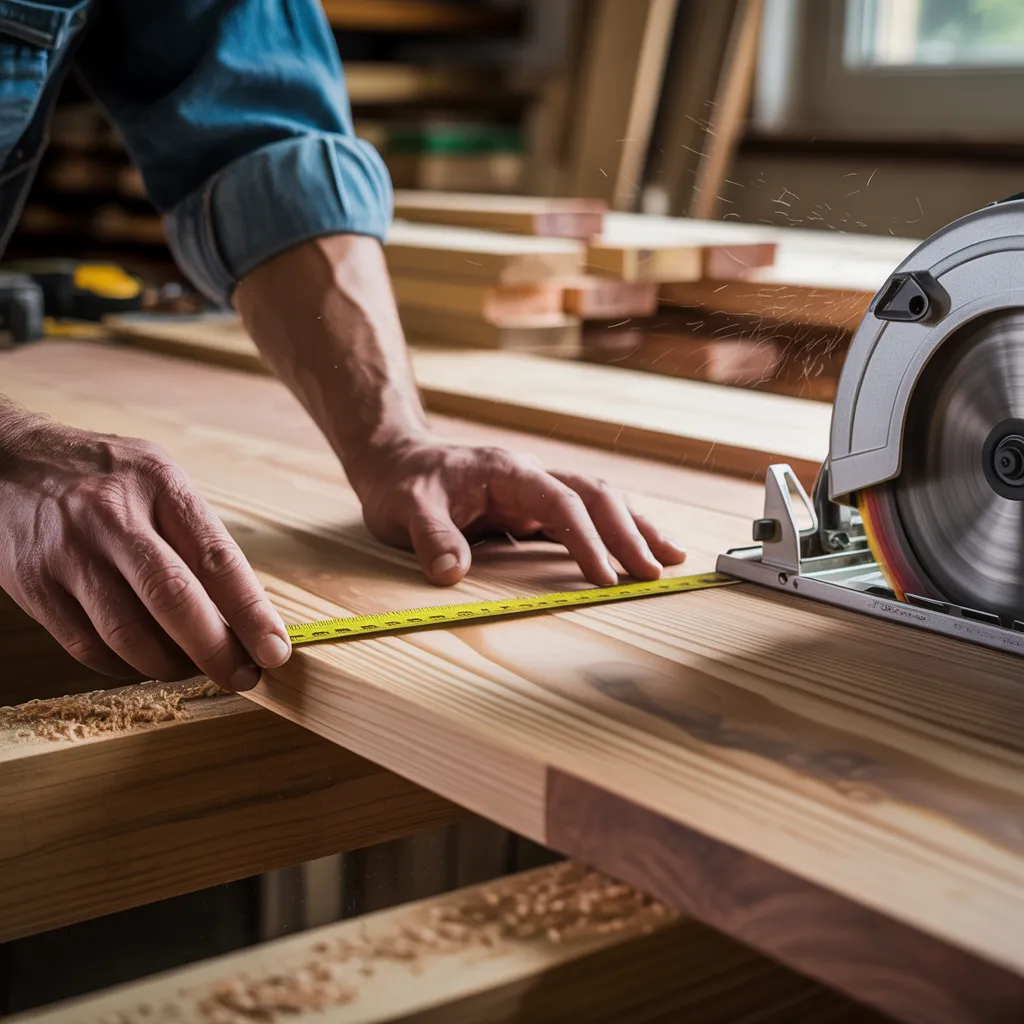
Classic Wooden Decks: Enduring Deck Design Appeal
Though numerous contemporary materials compete for prominence in outdoor design, classic wood decks maintain an enduring allure that speaks to homeowners and designers alike. Their organic appearance elevates the appeal of any outdoor setting, offering warmth and a feeling of harmony with the natural world.
Found in various species like cedar, redwood, and pressure-treated pine, wood decks provide a wide range of design and finish possibilities. The rich textures and grains of wood produce a one-of-a-kind aesthetic, ensuring every deck is truly unique. Additionally, timber decks can be adapted to suit various architectural styles, spanning traditional rustic to sleek contemporary.
Upkeep is professional guide essential for durability, necessitating routine staining or sealing to guard against the elements. Despite this, the timeless allure of wood, combined with its eco-friendly attributes, guarantees its continued popularity. Time-honored wooden decks stand as a top selection for individuals looking for a welcoming and attractive outdoor sanctuary.
Advanced Composite Decks: The Minimal-Upkeep Answer
Modern composite deck systems have grown into a sought-after solution for homeowners seeking a low-maintenance outdoor solution. Built using a combination of wood fibers and recycled plastic materials, these decks provide long-lasting durability and visual appeal eliminating the significant upkeep that conventional wood decking requires. Unlike wooden decks, composite materials resist fading, staining, and warping, ensuring a consistently attractive appearance over time.
Homeowners enjoy the simplicity of maintaining composite decks, as they typically require only soap and water to preserve their appearance. Moreover, many composite products include built-in UV protection, significantly boosting their longevity. With a selection of colors and textures to choose from, these decks can complement any outdoor design, delivering adaptability while eliminating the need for sanding, sealing, or painting. As outdoor living spaces grow in demand, modern composite decks emerge as a practical choice for those prioritizing both style and low maintenance in their outdoor oasis.
Eco-Friendly Decking Choices: Why Sustainability Is Important
As more homeowners place greater emphasis on sustainability, sustainable decking materials have attracted considerable interest in the marketplace. These options not only lessen ecological damage but also improve the overall beauty of outdoor living spaces. For instance, reclaimed wood delivers exceptional aesthetic appeal while actively reducing deforestation. At the same time, bamboo has risen as a durable, rapidly renewable option that demands significantly less energy during production.
Composite decking constructed from recycled plastics and wood fibers provides an additional sustainable option, cutting down on waste and encouraging long-lasting performance. Additionally, many manufacturers are now focusing on low-VOC finishes, which provide a healthier option for both the environment and people.
Choosing eco-friendly decking demonstrates more than just a devotion to sustainability but also supports energy efficiency and long-term cost savings through reduced maintenance and replacement needs. As consumer awareness grows, the demand for eco-conscious alternatives will almost certainly drive innovation in the decking industry, making eco-conscious decisions more accessible for homeowners.
Multi-Story Decks: Enhancing Space and Versatility
Multi-tiered decks provide an excellent option for homeowners seeking to enhance their outdoor living areas. These versatile structures can transform uneven yards into usable areas, creating dedicated spaces for lounging, dining, and hosting guests. By incorporating multiple levels, homeowners can create a visually appealing landscape that draws the eye upward and enhances the overall aesthetic.
The design of multi-level decks allows for better organization of outdoor activities. For instance, one tier can function as a relaxation space, while a second level can house a grill or outdoor cooking station. Additionally, these decks can incorporate built-in seating and planters, seamlessly blending nature with outdoor living.
Safety and accessibility are further enhanced through careful planning, as railings and steps can be integrated into the layout. Ultimately, multi-level decks serve the dual purpose of maximizing space and improving the utility of outdoor areas, rendering them well-suited for social events and peaceful personal escapes.
Creative Deck Features: Enhancing Style and Comfort
Although conventional deck layouts provide a reliable base for outdoor pleasure, adding innovative elements can significantly improve both aesthetics and comfort. Adding built-in seating not only provides a cozy gathering space but also optimizes available area. Stylish railings, like glass barriers or detailed woodwork, boost the overall appearance while upholding safety standards. Integrating planters with lush greenery offers a revitalizing touch, blending nature with design.
Including elements such as outdoor lighting can transform the ambiance, allowing for pleasant nights under the stars. A fire pit functions as both a main attraction and a source of heat, extending the usability of the deck. In addition, integrating sun protection like pergolas or retractable awnings delivers comfort during sunny days. To complete the space, outdoor rugs and cushions serve to soften the space, creating an welcoming atmosphere. These creative features collectively contribute to a deck that is not only versatile but also a elegant extension of the home.
Deck Budgeting 101: Smart Planning and Saving
Designing a attractive and cozy deck calls for thoughtful planning, especially when it comes to managing finances. A carefully structured budget not only secures fiscal viability but also empowers homeowners to focus on key elements. As a starting point, it is essential to determine the total spending plan, taking into account labor, materials, and extra elements such as lighting or furniture.
Property owners ought to consider different materials, as costs can differ significantly. As an example, composite decking is generally pricier than conventional wood but can provide lasting savings due to reduced upkeep.
In addition, researching local service providers can yield competitive quotes, delivering a better sense of labor expenses.
Establishing a emergency budget is advisable, as unforeseen costs commonly emerge during the project. By sticking to a carefully planned budget and making informed choices, home enthusiasts can create an exterior retreat that balances elegance, functionality, and budgetary awareness.
Commonly Asked Questions
What Is the Longevity of Various Deck Materials?
The durability of deck materials varies considerably; pressure-treated wood can last between 15 and 20 years, while composite can endure 25-30 years. Cedar and redwood generally have a lifespan of 20-25 years, while aluminum decks can surpass 30 years with the right upkeep.
How Do I Maintain My Deck Throughout the Seasons?
To keep a deck through every season, regular cleaning, sealing, and inspections are essential. During winter, carefully remove snow, while the summer months require shielding against UV rays, keeping the deck in perfect condition throughout the year.
Is It Better to Build a Deck Myself or Hire a Professional?
Building a deck oneself is possible, but it calls for substantial know-how and craftsmanship. Hiring a professional frequently ensures superior results and adherence to building codes, making it a preferable choice for those lacking experience in construction.
What Permits Are Needed for Deck Construction?
Prior to building a deck, individuals typically need to obtain building permits, zoning authorizations, and potentially required inspections, according to regional requirements. Reaching out to the local building department helps ensure compliance and eliminates unforeseen legal problems throughout the building process.
What Is the Best Way to Choose the Right Deck Color and Style?
To pick the right deck color and style, it is important to consider the architecture of the house, surrounding environment, and personal preferences. Samples can help visualize options, while durability and current trends also have a major impact on decision-making.